A Trader’s Guide to the Impact of Japan’s Election on Markets
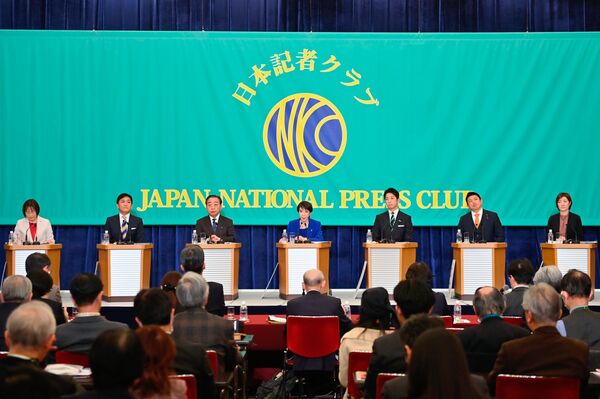
Investors in Japan are braced for more volatility in bonds, the risk of government intervention in the currency market and frequent swings in stock prices as campaigning kicks off on Tuesday for a snap election.
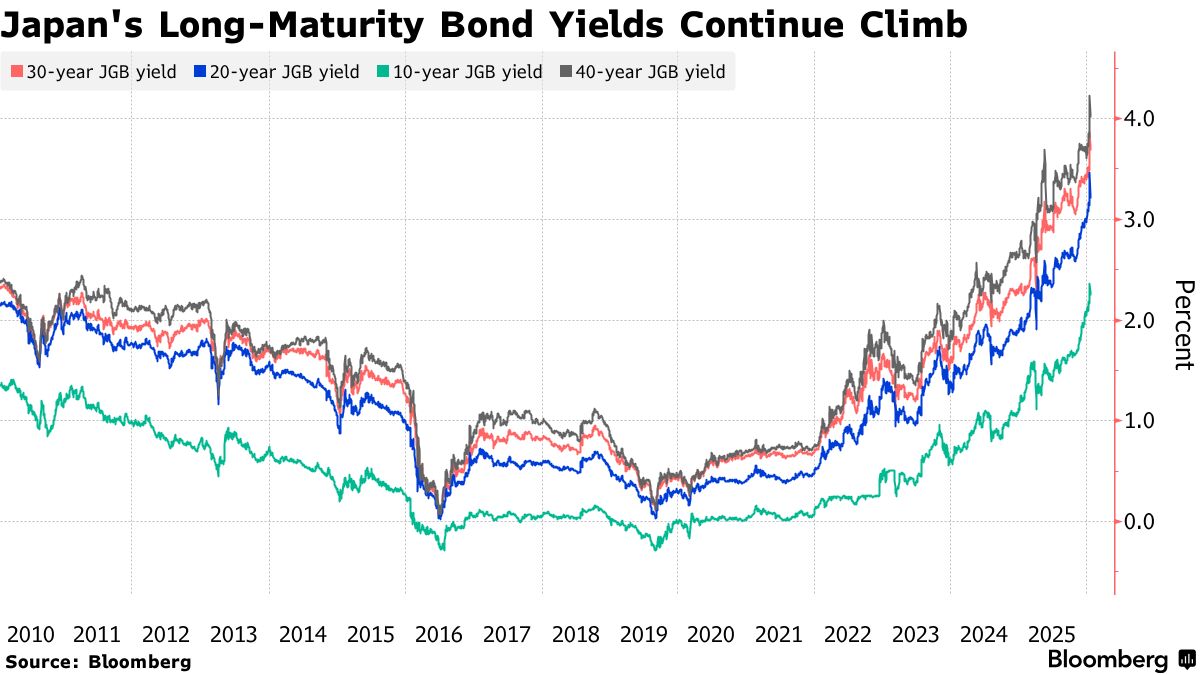
Every twist and turn in policy debates over government spending and tax relief is being scrutinized in markets, after worries over government largesse triggered a meltdown in bonds that burned investors and threatens to jack up the government’s debt servicing bill.
Prime Minister Sanae Takaichi ’s plan to remove the sales tax on food for two years, and her desire for a stronger military, are making winners and losers in the equity market. And as the clock counts down on the Feb. 8 vote, gyrations in the yen are reverberating through asset prices at home and abroad.
With just two weeks to go, Takaichi’s is still hitting the upper 60s in most polls even after recent declines, suggesting an underlying popularity.
‘Takaichi trade’
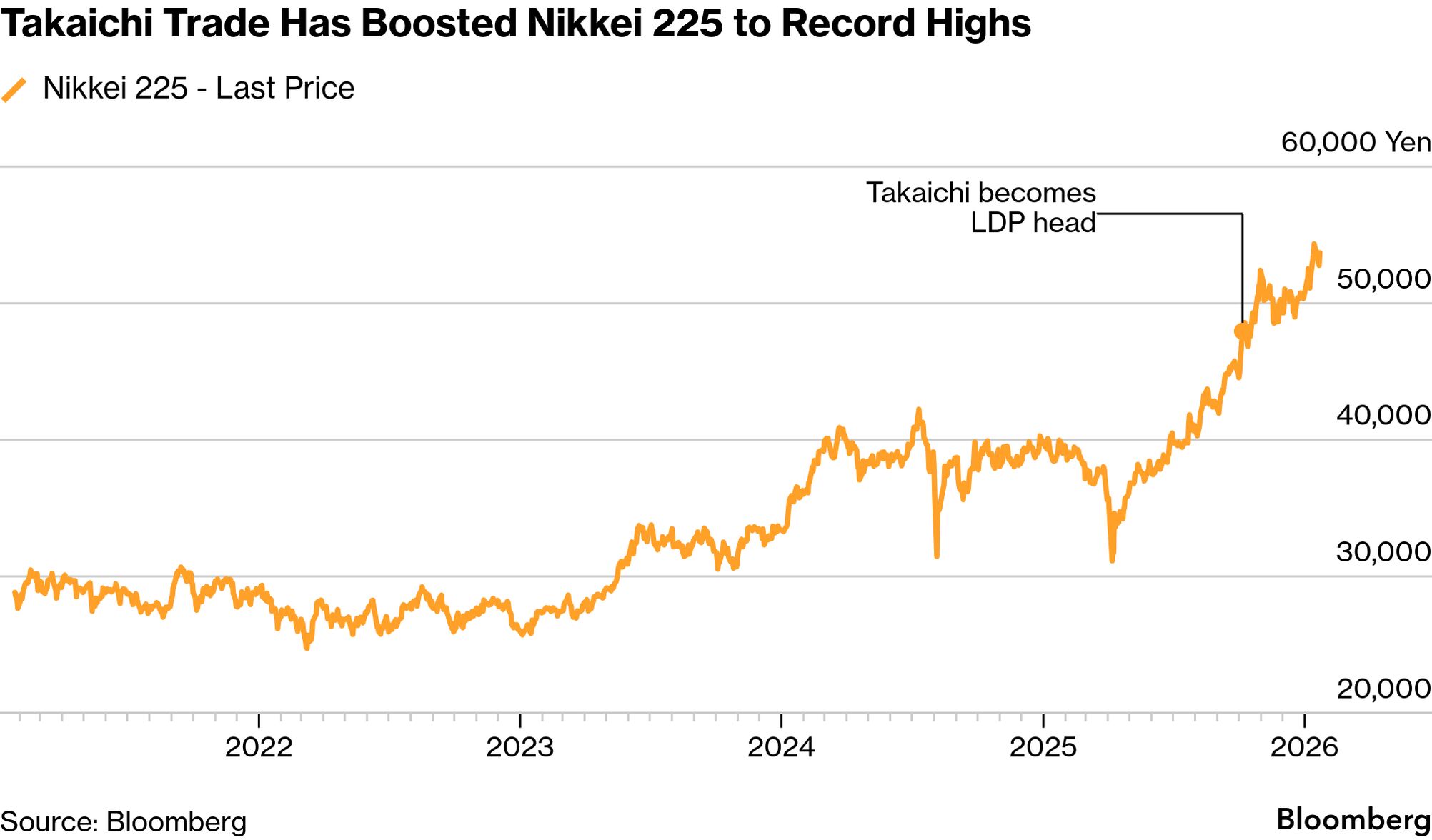
Traders are largely betting that voters will strengthen Takaichi’s mandate, emboldening her to push ahead with further stimulus measures. Looked at most broadly, the trading strategy that bears her name is a wager on higher equities, a weaker yen, and falling bond prices that push yields higher.
“There is a high probability that we will return to the traditional Takaichi trade,” said Rinto Maruyama , FX and rates strategist at SMBC Nikko Securities Inc., who cautioned that there is considerable uncertainty concerning the yen.
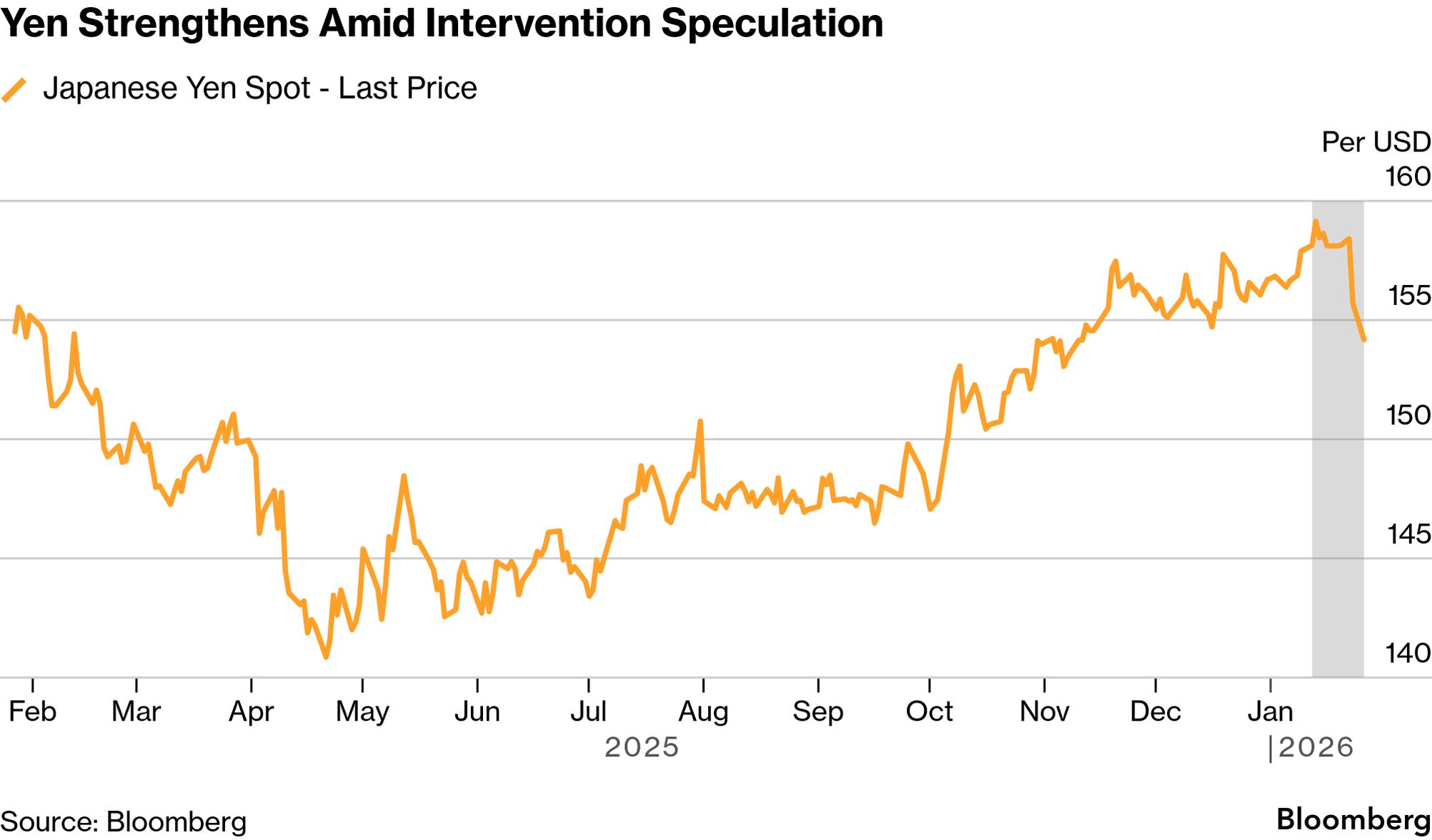
“There is still room for dollar-yen to rise following the snap election,” said Maruyama, citing indications that Japan and the US may join forces to support the currency, making it difficult to break through a zone around the 156-157 per dollar. “However, if there is no intervention and the rate breaks through that range, it could potentially surge above 160 yen.”
It was trading around 154.20 at 7:17 a.m. in Tokyo on Tuesday.
Takaichi hasn’t clarified how she would pay for her tax relief, which the Finance Ministry estimates would cost about ¥5 trillion ($32 billion) a year. Japan’s largest opposition party, the Centrist Reform Alliance, has pledged a permanent tax cut on food, fueling concerns that fiscal discipline will weaken regardless of the election’s outcome.
“If the main opposition alliance outperforms and the coalition loses its majority, political instability would likely pressure both equities and bonds further,” said Fabien Yip , market analyst at IG.
Food and guns
Even under an opposition victory, such as supermarket operators stand to gain if the government cuts the consumption tax. Supermarket chain Life Corp. posted its biggest weekly gain since April 2024 last week on expectations that such a tax break would boost sales.
Defense and military-related technology stocks are likely to be among the biggest winners if Takaichi secures a majority, as she has pledged to expand Japan’s security budget, said Hiroyuki Ueno , chief strategist at Sumitomo Mitsui Trust Asset Management. Construction, semiconductor and artificial intelligence sectors would also benefit from her spending plans, he added.
To be sure, stocks have pulled back from their record highs in recent days, as the yen’s rebound from a recent low weighs on exporters, and as volatility in the bond market saps risk appetite.
Financial stocks have benefited from rising yields since the Bank of Japan began normalizing monetary policy in 2024, but even banking shares have now come under amid worries that lenders might face losses from falling bond prices.
“We need to be careful about the recent price actions” of stocks reacting negatively after the jump in JGB yields, said Yujiro Goto , chief currency strategist at Nomura Securities. “Negative equity market reactions likely encourage the Takaichi administration to shift toward less expansionary fiscal and monetary policy beyond the election.”
Investors are also watching how the election may shape the BOJ’s policy path after the central bank held rates steady on Friday. If Takaichi, a well-known monetary policy dove, gains greater influence, the central bank may face pressure to delay further rate increases, potentially compounding the yen’s declines.
“Critically, the BOJ’s normalization path and yen stability must be taken seriously,” said IG’s Yip. “Even if the sales tax on food is suspended, a weaker yen will drive imported prices upward, failing to solve the cost-of-living problem that the tax relief aims to address.”
Jawboning the yen
Japan’s currency earlier this year slid to its weakest level against the dollar since July 2024, but is now hovering around its strongest level since November. Takaichi sent a fresh to financial markets on Sunday amid a weakening yen and elevated bond yields, saying the government would be ready to take action.
Japanese authorities stepped in last year when the currency slid to about 160.17, and conducted additional interventions at levels around 157.99, 161.76 and 159.45.
“Market concerns over the risk of intervention have risen now,” said Nomura’s Goto. “The BOJ would consider an earlier rate hike around April if the yen remains weak. As a result, we judge upside room above 160 would be limited for dollar-yen.”
China wildcard
Another key question for investors is how Japan’s relationship with China will evolve after the election, following a diplomatic that began last year after Takaichi’s controversial remarks on Taiwan.
In January, China announced fresh export curbs on dual-use items and launched an anti-dumping probe into a key chipmaking material.
If Takaichi can win seats at the polls, it would strengthen her position on the world stage, which would bolster investor confidence in Japan, said Sumitomo Mitsui’s Ueno.
“For Japan, the spat with China is the biggest problem right now, but there’s also Russia and Ukraine not so far away,” he said. “So if Takaichi can boost her power through an election, it’ll bring various kinds of momentum to the market and the domestic economy.”
But even a decisive opposition victory could boost Japanese assets if it brings more political clarity, said Shigeto Nagai , head of Japan at Oxford Economics.
“What global investors are really hoping for is some certainty,” said Nagai. “Political stability has been the main appeal of Japanese markets for decades, but now that’s crumbled away.”